
Lash tech insurance, for a business of one
Most lash techs are the business: a suite or booth renter with their own clients, prices, and book. The coverage conversation is the independent practitioner's pair, professional liability for work done millimeters from the eye and general liability for everything around the station, usually bought together as one small package.
What coverage a salon needs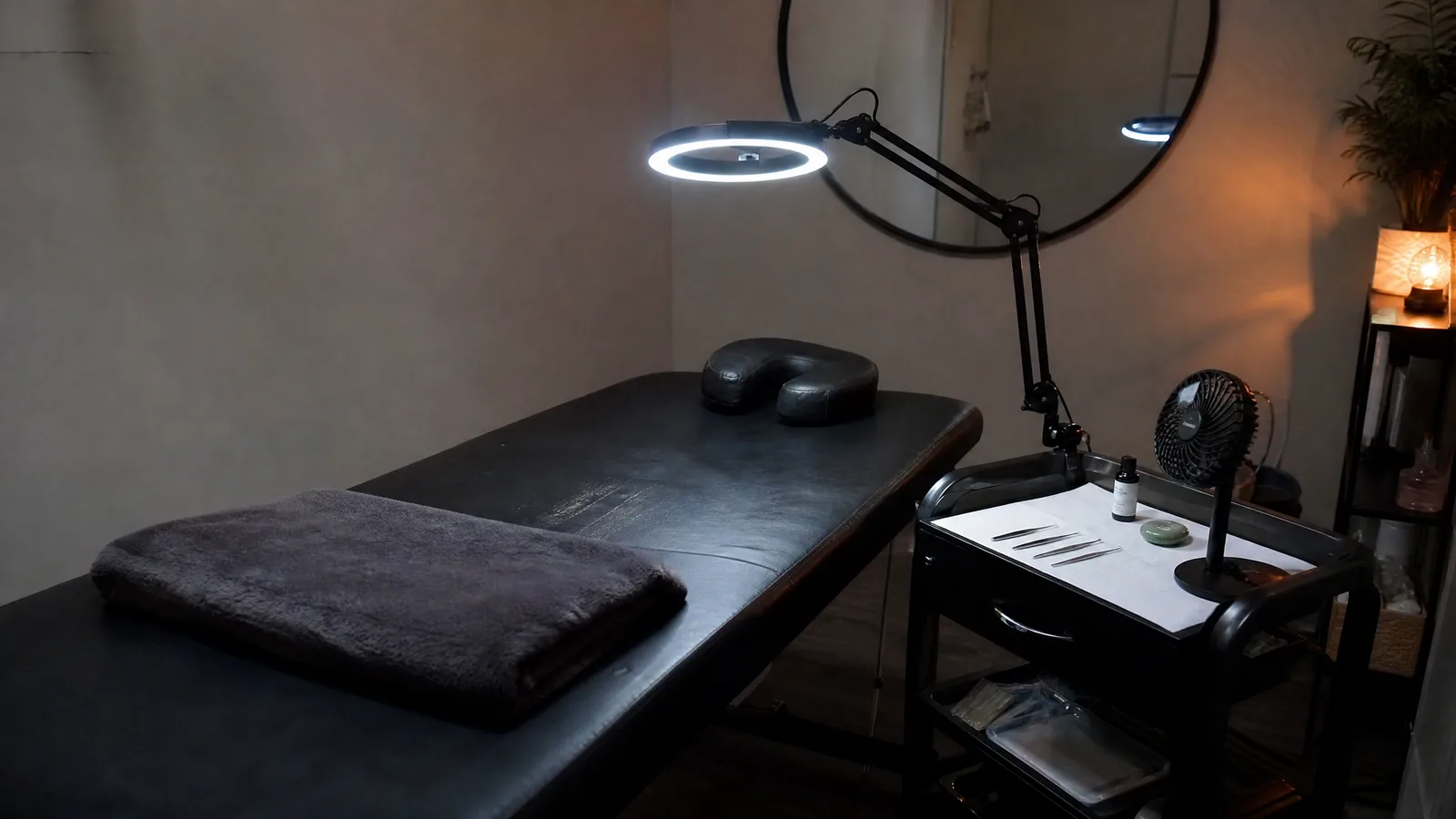
The practitioner is the business
Lash work mostly does not happen inside someone else's employment. It happens in rented suites and booths, run by the tech who owns the book. That puts lash techs squarely in the arrangement the IRS describes as booth renting: leasing space from an existing business and operating your own business as an independent contractor, with your own hours, products, prices, and name (IRS Publication 4902). Independence means the coverage is yours to carry. The full picture, the IRS test, the lease requirements, what a renter buys, is in our guide to insurance for booth renters, and it is this page's most important link.
The pair itself follows the split that runs through every service business. General liability covers the premises categories the NAIC lists, injuries and damage to others' property first among them (NAIC, Insure U: Small Business Insurance); professional liability covers the claim that the service itself caused harm, which general liability does not reach. For lash work the professional side is the center of gravity: extensions, lifts, and tints put adhesives and chemistry next to the eye, and the claim that matters is about the service, not the floor.
Brow work, mobile sets, and the microblading line
Brow shaping, lamination, and tinting ride along in the same conversation: name every service when you get quotes, because a policy covers the services it was told about. Mobile lash work changes the premises without changing the liability; some states license mobile operations as their own category, Texas among them (Texas TDLR), and a vehicle used for the business adds a commercial auto question.
Microblading is the boundary case. It deposits pigment into the skin, which moves it toward cosmetic tattooing, and some carriers treat that as its own exposure; our tattoo shop insurance page covers where that category sits. If permanent makeup is on your menu, say so explicitly. And if your one-person operation is growing into a studio with its own staff, the owner's conversation on salon business insurance is the next read; otherwise, the overview maps the whole territory.